
Is My Child’s Growth Normal? How Pediatricians Track Healthy Development
January 16, 2026
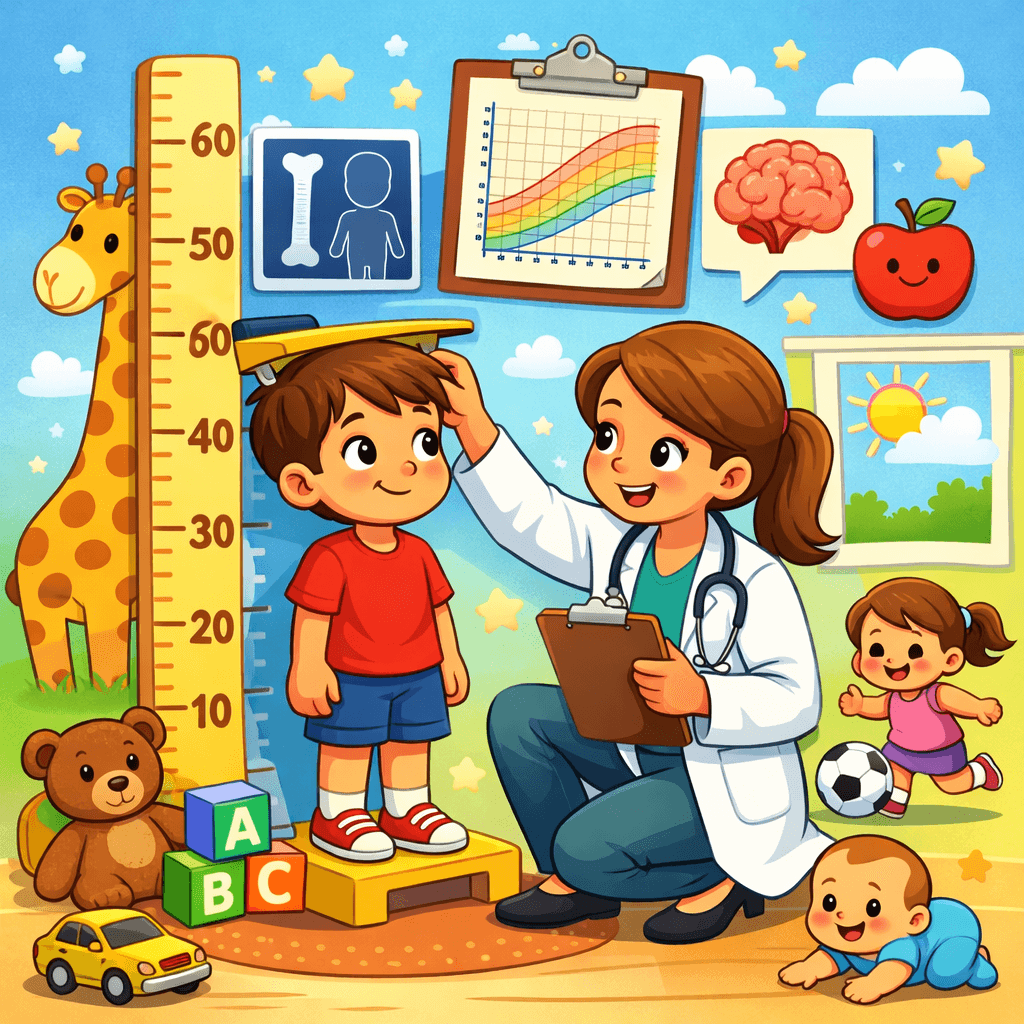
One of the most common questions parents ask is simple but deeply personal:
“Is my child growing the way they should?”
From comparing heights on the playground to noticing clothes that suddenly don’t fit, it’s natural to wonder whether your child’s growth is “normal.” The good news is that pediatricians don’t rely on guesswork or comparison. Growth is something we track carefully over time, using tools designed specifically to understand healthy development in children.
Growth Looks Different for Every Child
Children grow at different rates, and that’s completely normal. Some kids are tall early on and slow down later. Others grow steadily or have growth spurts that seem to happen overnight. Genetics, nutrition, sleep, activity level, and overall health all play a role.
That’s why growth isn’t judged based on a single visit or one number on a chart. What matters most is the pattern over time.
What Growth Charts Really Tell Us
During well-child visits, pediatricians track height, weight, and head circumference (for infants and toddlers) using standardized growth charts. These charts don’t rank children or label them as “behind” or “ahead.” Instead, they show how a child is growing compared to other children of the same age and sex.
A child might be in a lower or higher percentile and still be perfectly healthy. What pediatricians watch for is consistency, whether a child continues to follow their own growth curve over time.
When Growth Patterns Raise Questions
Occasionally, a child’s growth pattern may change in a way that deserves a closer look. This could include:
- Sudden drops or jumps in growth percentiles
- Slowed growth over an extended period
- Weight changes that don’t match height changes
- Delays in expected developmental milestones
These patterns don’t necessarily indicate that something is wrong, but they help pediatricians decide whether additional evaluation is needed.
More Than Just Height and Weight
Healthy growth isn’t only about numbers. Pediatricians also look at development as a whole, including:
- Motor skills and coordination
- Speech and language development
- Social and emotional milestones
- Puberty timing in older children and teens
By combining physical measurements with developmental observations, pediatricians get a fuller picture of how a child is progressing.
Why Regular Well-Child Visits Matter
Because growth is tracked over time, regular well-child visits are essential even when your child feels perfectly fine. These visits allow pediatricians to spot subtle changes early, answer questions, and provide reassurance when everything is progressing as expected.
They’re also a chance for parents to talk openly about concerns, whether it’s picky eating, sleep habits, or family history that might affect growth.
Trust the Process—and Ask Questions
If you’re ever worried about your child’s growth, it’s worth bringing up. No concern is too small, and often the most helpful answer comes from reviewing growth trends together rather than relying on comparisons or online charts.
Every child grows at their own pace. Pediatric care is about understanding that pace, supporting healthy development, and making sure your child has what they need to thrive now and as they grow.
At Holly Springs Pediatrics, we’re here to support your family’s health all year round. If you have any questions or concerns about your child’s skin, give us a call. We’re happy to help you find the best ways to keep your little one comfortable and healthy this season.
Holly Springs Pediatrics is committed to providing quality care to your kids at all times on a wide array of subjects. For more information or to get in contact with our office, call (919) 249-4700 to schedule an appointment.