
Teaching Kids Proper Handwashing (That Actually Works)
February 17, 2026
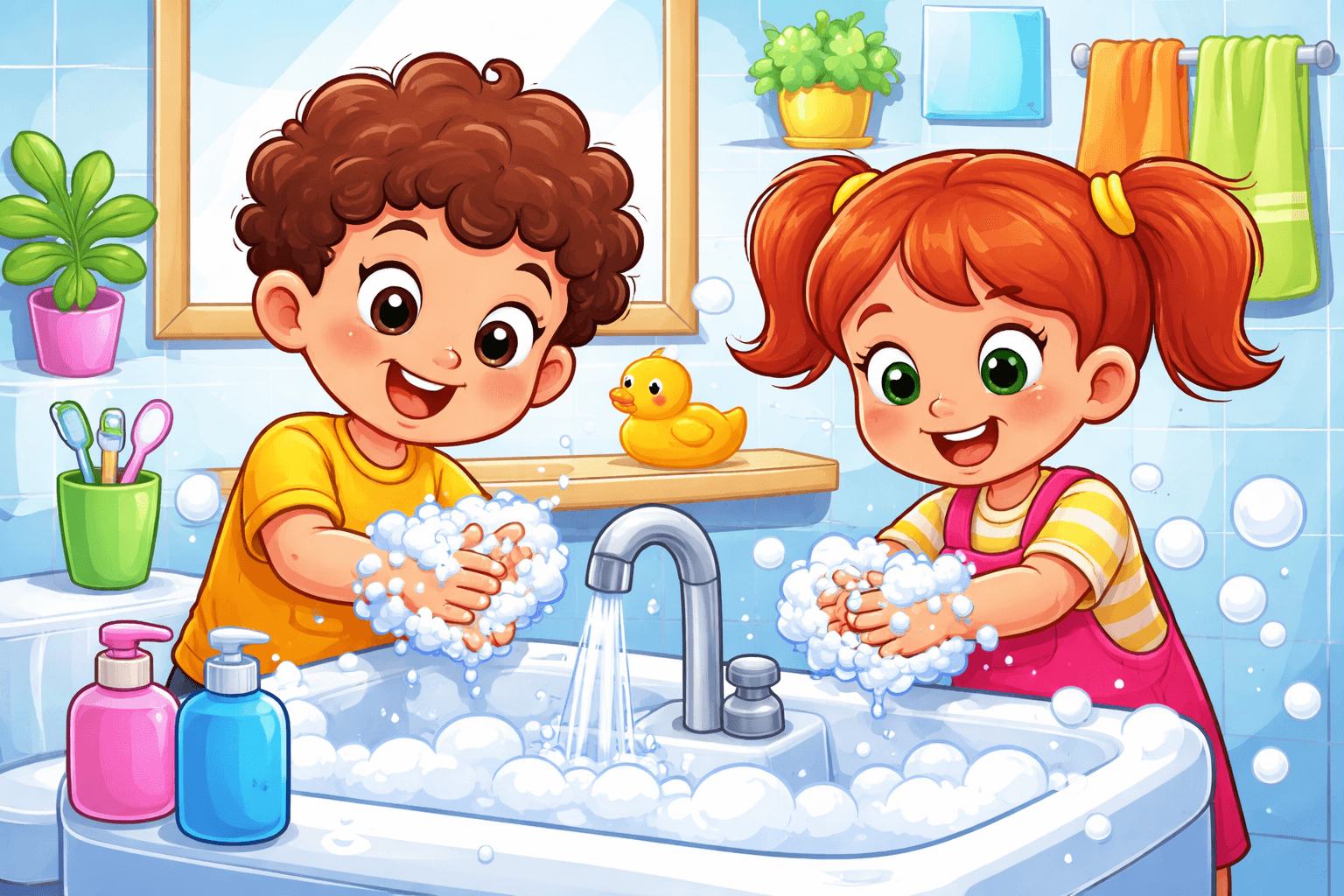
If there’s one simple habit that can dramatically reduce how often children get sick, it’s proper handwashing. It sounds basic, but most kids rush through it, skip soap, or barely rinse their fingers before running off again.
For parents, the challenge isn’t explaining why handwashing matters… It’s getting kids to actually do it correctly and consistently.
Here’s how to make handwashing a habit that really works.
Why Handwashing Matters So Much for Kids
Children touch everything… playground equipment, classroom desks, shared toys, door handles, pets, and of course… each other. Germs spread easily through these everyday contacts, especially during cold and flu season.
Good hand hygiene helps prevent:
- Colds and flu
- Stomach viruses
- Pink eye
- RSV and other respiratory infections
- Many common school-spread illnesses
The CDC estimates that proper handwashing can significantly reduce respiratory illness and diarrheal sickness in children.
In other words, this one small routine makes a very big difference.
When Kids Should Wash Their Hands
Many children only wash when they’re told to, so it helps to teach clear “must-wash” moments.
Kids should wash their hands:
- Before eating or touching food
- After using the bathroom
- After coughing, sneezing, or blowing their nose
- After playing outside
- After touching animals
- When coming home from school or activities
Creating predictable routines around these times helps the habit stick.
The Right Way to Wash Hands (Kid-Friendly Steps)
Proper handwashing should take about 20 seconds, long enough to fully remove germs.
Teach kids this simple process:
- Wet hands with clean running water
- Apply soap
- Rub hands together and make bubbles
- Scrub the backs of hands, between fingers, and under nails
- Continue scrubbing for 20 seconds
- Rinse well
- Dry with a clean towel
For younger children, the biggest issue is usually not washing long enough.
The “20-Second Trick” That Helps Kids Do It Right
Instead of counting seconds, give kids something fun to mark the time.
Popular options include:
- Singing “Happy Birthday” twice
- Singing part of their favorite song
- Using a short timer
- Letting them pick a “handwashing song”
Making it playful keeps it from feeling like a chore.
How to Teach Toddlers vs Older Kids
Toddlers and preschoolers learn best through modeling. Wash your hands with them and narrate what you’re doing:
“Now we scrub the fingers… now we rinse the bubbles away.”
School-age children respond well to understanding the reason behind it. Explain how germs spread and how washing helps keep them (and their friends) healthy.
Some parents even use washable glow-germ products or simple visual demonstrations to show how germs hide on hands.
Common Handwashing Mistakes Kids Make
Even children who wash regularly often:
- Skip soap entirely
- Rinse for only a few seconds
- Forget thumbs and fingertips
- Dry on their clothes instead of a towel
A quick reminder to “make lots of bubbles and wash the fingertips” usually fixes most of these issues.
What About Hand Sanitizer?
Hand sanitizer is useful when soap and water aren’t available, such as in the car or at a playground.
However, sanitizer should not fully replace handwashing. Soap and water are still the best option, especially when hands are visibly dirty or after bathroom use.
The Goal Isn’t Perfection… It’s Consistency
Kids don’t need perfect technique every time. What matters most is building the habit so handwashing becomes automatic.
Small daily reminders, a little patience, and making the routine fun go a long way toward keeping your child healthier throughout the year.
At Holly Springs Pediatrics, we’re here to support your family’s health all year round. If you have any questions or concerns about your child’s skin, give us a call. We’re happy to help you find the best ways to keep your little one comfortable and healthy this season.
Holly Springs Pediatrics is committed to providing quality care to your kids at all times on a wide array of subjects. For more information or to get in contact with our office, call (919) 249-4700 to schedule an appointment.