
Hydration for Kids: How Much Water Do They Really Need in Warmer Weather?
April 20, 2026
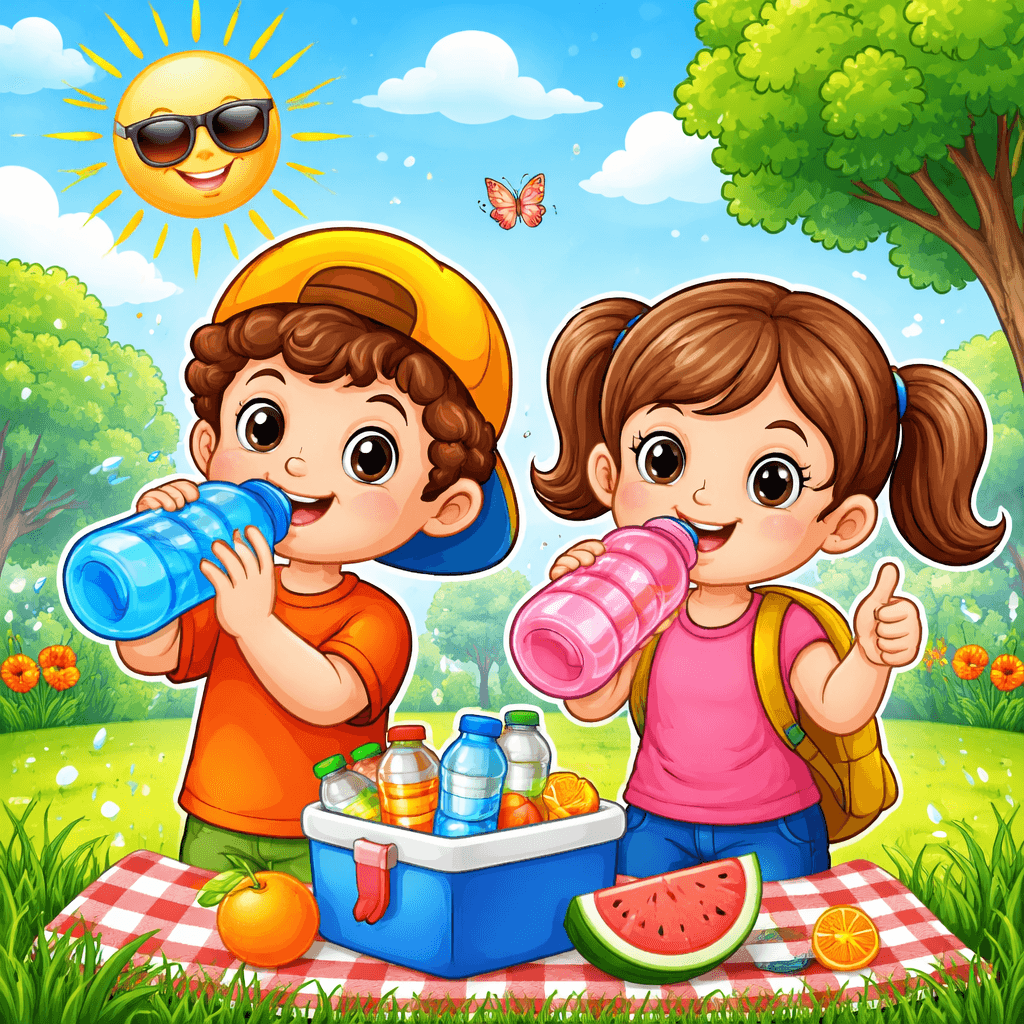
As the weather starts to warm up, kids naturally spend more time outside running, playing, and staying active. While that’s great for their health, it also means they’re losing more fluids throughout the day. And unlike adults, kids don’t always recognize when they’re thirsty until they’re already a bit dehydrated.
So how much water do kids actually need? And how can you make sure they’re getting enough without turning it into a daily struggle?
Let’s break it down in a simple, practical way.
Why Hydration Matters More in Warmer Months
When temperatures rise, kids sweat more, even if you don’t always notice it. Add in sports, playground time, or even just a busy day at school, and fluid loss adds up quickly.
Proper hydration helps with:
- Energy levels
- Focus and mood
- Temperature regulation
- Preventing headaches and fatigue
Even mild dehydration can make kids feel tired, irritable, or “off” without an obvious reason.
How Much Water Do Kids Really Need?
There’s no exact number that works for every child, but here’s a helpful guideline:
- Toddlers (1–3 years): About 4 cups per day
- Young kids (4–8 years): Around 5 cups per day
- Older kids (9+ years): 7–8 cups or more, especially if active
Keep in mind, this includes fluids from all sources, not just water. Fruits, vegetables, and milk all contribute.
On hot days or during sports, they’ll need more than usual.
Signs Your Child May Not Be Drinking Enough
Kids rarely say, “I’m dehydrated.” Instead, look for subtle signs like:
- Dry lips or mouth
- Dark yellow urine
- Fewer bathroom breaks
- Low energy or irritability
- Complaints of headaches
If you notice these, it’s usually a sign they need more fluids throughout the day, not just all at once.
Easy Ways to Keep Kids Hydrated (Without the Pushback)
Getting kids to drink water isn’t always easy, but a few small changes can make a big difference:
1. Keep water visible and within reach
A water bottle nearby often leads to more frequent sipping without reminders.
2. Let them pick their own bottle
It sounds simple, but kids are more likely to use something they chose themselves.
3. Add natural flavor
Slices of strawberries, oranges, or cucumber can make water more appealing without adding sugar.
4. Offer water before they ask
Especially before heading outside, during play, and after activity.
5. Make it part of the routine
A few sips before school, after recess, and with meals adds up quickly.
What About Juice, Sports Drinks, or Alternatives?
It’s a common question.
- Water should be the main source of hydration
- Milk is also a great option, especially with meals
- Juice is best limited, even if it’s 100% fruit juice
- Sports drinks are usually unnecessary unless your child is doing prolonged, intense activity
Many drinks marketed to kids contain more sugar than they need, which can actually work against proper hydration.
A Simple Rule to Remember
If your child is active, spending time outside, and using the bathroom regularly with light-colored urine, they’re likely staying well hydrated.
The goal isn’t perfection. It’s consistency.
When to Check In With Your Pediatrician
If your child:
- Refuses fluids regularly
- Shows frequent signs of dehydration
- Gets tired or overheated easily
…it may be worth discussing during your next visit.
Keeping kids hydrated doesn’t have to be complicated. A few simple habits and small adjustments can go a long way, especially during the warmer months when their bodies need it most.
At Holly Springs Pediatrics, we’re here to support your family’s health all year round. If you have any questions or concerns about your child’s skin, give us a call. We’re happy to help you find the best ways to keep your little one comfortable and healthy this season.
Holly Springs Pediatrics is committed to providing quality care to your kids at all times on a wide array of subjects. For more information or to get in contact with our office, call (919) 249-4700 to schedule an appointment.