
Why Kids Get Constipated During the School Year
October 9, 2026
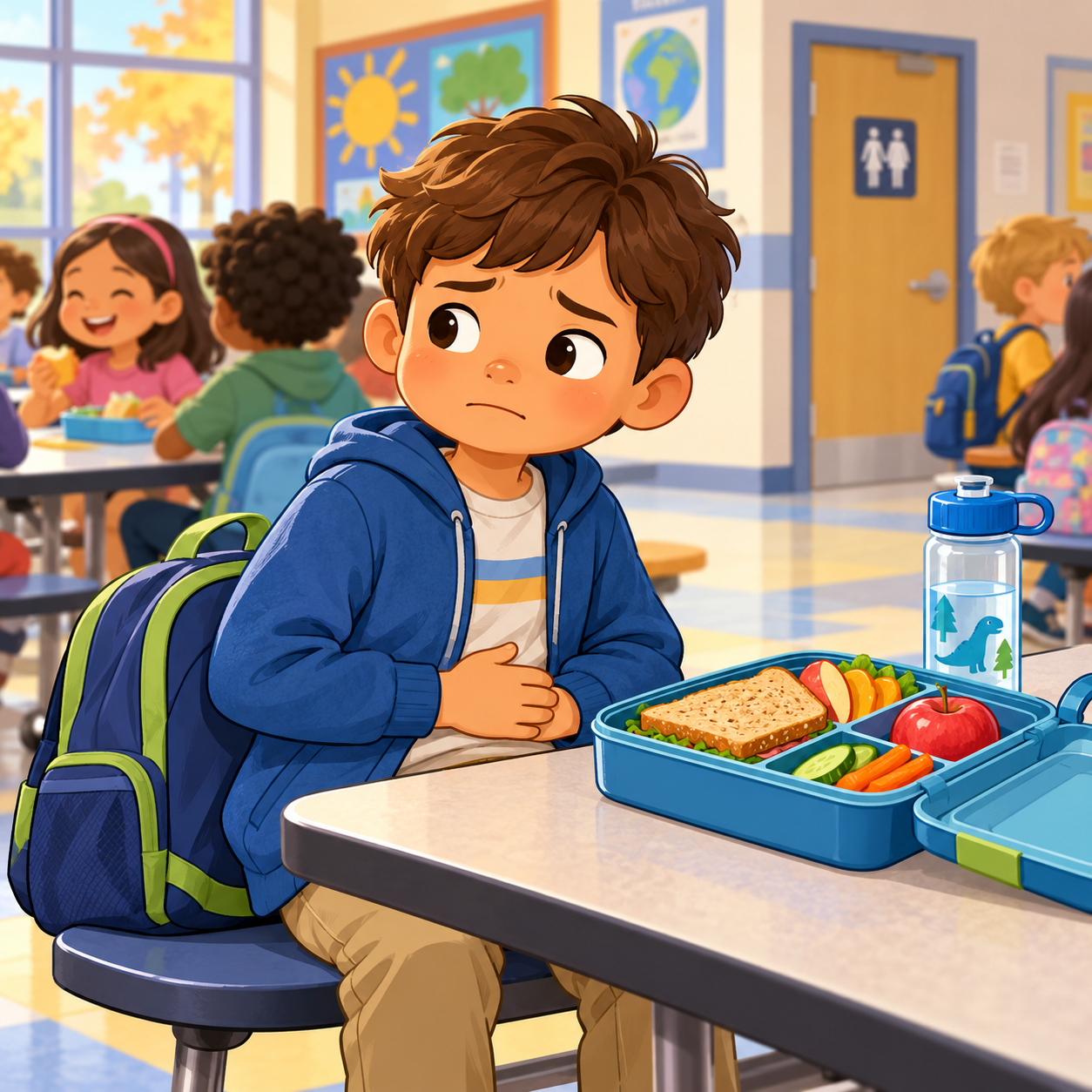
School mornings can leave little time for a bathroom break. And once children get to class, some would rather hold their poop than use the school restroom.
If your child has started complaining about painful bowel movements, bathroom habits are worth asking about. Constipation can develop when children repeatedly put off going, even if they have been using the toilet comfortably for years.
Why children hold it in
A child may feel embarrassed about pooping at school, dislike the public bathroom, or avoid interrupting an activity. Others hold back because a previous bowel movement hurt.
The longer stool stays in the colon, the more water the colon absorbs from it. That makes the stool harder and more difficult to pass. A painful poop can then make a child even more reluctant to go the next time.
Changes in eating and drinking habits can contribute, too. Not getting enough fiber or fluids may make constipation more likely. NIDDK
Signs parents might miss
Constipation is about more than how often your child goes. Hard, dry stools and painful bowel movements matter, too.
You might notice your child clenching their bottom, standing on tiptoe, or making unusual movements to hold stool in. Some children develop stomach discomfort or eat less than usual.
Underwear accidents can also be a clue. Loose stool may leak around stool that has built up inside, making constipation look like diarrhea. Mention new soiling to your pediatrician rather than assuming your child is being careless. HealthyChildren.org
Making bathroom time easier
Start with a private, matter-of-fact conversation. Ask whether your child feels comfortable using the school bathroom and what makes it difficult. You could say, “Is there anything about going at school that bothers you?”
If bathroom access is a concern, speak with the teacher or school nurse about a plan that lets your child go when needed.
At home, offer a relaxed opportunity to sit on the toilet after a meal. A small footstool can help children sit comfortably with their feet supported. Avoid scolding, forcing them to stay seated, or turning a bowel movement into a test they have to pass.
Keep water available and include fiber-containing foods such as fruit, vegetables, beans, and whole grains. These habits support bowel health, but more water and fiber alone may not resolve established constipation. NIDDK
When to call the pediatrician
Contact your pediatrician if constipation keeps coming back, your child has painful stools or underwear accidents, or home changes are not helping. Symptoms lasting more than two weeks should be evaluated, but you do not need to wait that long to ask for help.
Seek prompt medical care for constipation with blood in the stool, vomiting, a swollen belly, constant abdominal pain, or weight loss. NIDDK
Your pediatrician may recommend medication as part of treatment. Ask for guidance before giving laxatives or enemas, and follow the treatment plan rather than stopping as soon as your child has one comfortable bowel movement. NIDDK
Keep the conversation comfortable
Children may be embarrassed to bring up bathroom problems. A calm response makes it easier for them to tell you when something hurts or when they are avoiding the restroom.
If school-day bathroom habits have become a struggle, bring it up at your child’s visit. It is a common concern, and your pediatrician can help you work out what your child needs.
At Holly Springs Pediatrics, we’re here to support your family’s health all year round. If you have any questions or concerns about your child’s skin, give us a call. We’re happy to help you find the best ways to keep your little one comfortable and healthy this season.
Holly Springs Pediatrics is committed to providing quality care to your kids at all times on a wide array of subjects. For more information or to get in contact with our office, call (919) 249-4700 to schedule an appointment.