
Is My Child Behind on Vaccines? A Pediatrician’s Guide
November 9, 2026
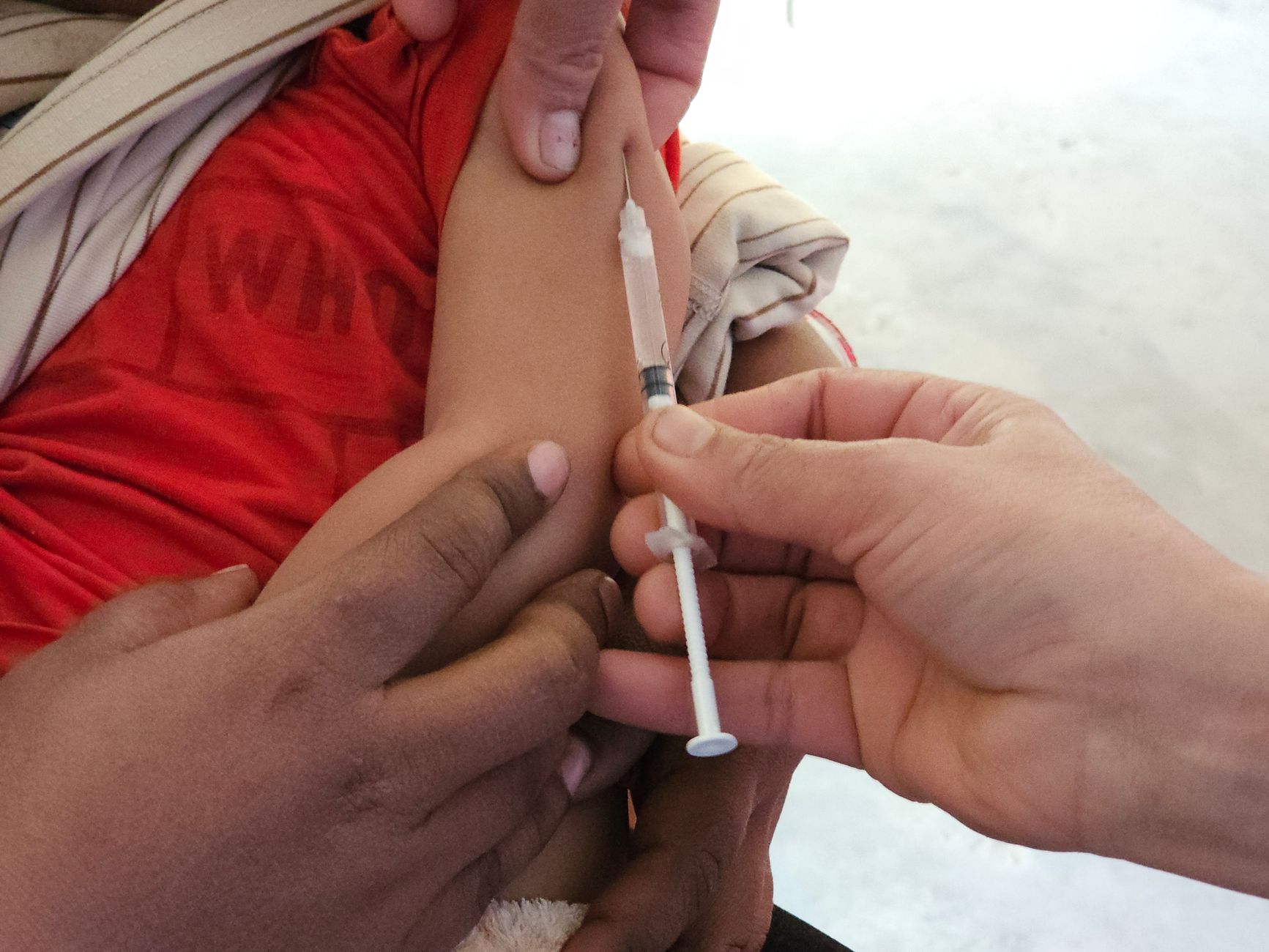
If you have ever sat in a waiting room with a wiggly toddler, vaccine form in hand, wondering whether you are doing this “right” or if you are behind schedule, you are far from alone. The short version: as long as your child is seeing a pediatrician regularly, staying roughly on schedule is very doable, and there is almost always a way to get back on track if a visit gets missed.
The Short Answer
Childhood and adolescent vaccines are given on a recommended schedule from birth through age 18, spaced out to protect kids at the ages when they are most vulnerable to serious illness. The schedule is set by the CDC‘s Advisory Committee on Immunization Practices and endorsed by the American Academy of Pediatrics (CDC immunization schedules). Most families follow a series of well visits, starting in infancy and continuing through the teen years, where certain vaccines are given or boosted. If a dose is late or missed, pediatricians can usually adjust the schedule rather than starting over. If you are looking for a pediatrician in Apex NC or nearby communities to help keep your child on track, our immunization services are built around exactly this kind of steady, unhurried guidance.
What You’ll Notice
Vaccine visits look a little different depending on your child’s age, but there are some common threads parents notice:
- Multiple vaccines are often given during the same well visit, especially in infancy, to keep your baby protected on schedule.
- Your child may have some fussiness, a low-grade fever, or soreness at the injection site for a day or two afterward.
- Older kids and teens usually need fewer doses per visit, often just one or two boosters.
- Your pediatrician will review a printed or digital immunization record with you at each visit.
None of this means anything has gone wrong. Mild, short-lived reactions are a normal part of how the body builds protection, and they are different from a true vaccine complication, which is rare (HealthyChildren.org, AAP).
“Is My Child Behind on Vaccines?”
This is one of the most common worries parents bring up, often quietly, almost apologetically. Life happens: a move, an illness that postponed a visit, insurance changes, or simply losing track during a busy stretch. The good news is that pediatric vaccine schedules are built with some flexibility, and catch-up schedules exist for almost every situation (CDC). Bringing your child in, even if it has been a while, is far more useful than waiting until you feel “caught up” on your own.
“Do We Really Need All of These, and All at Once?”
Many parents wonder whether spacing vaccines out differently would be gentler on their child. This is a completely reasonable question to bring directly to your pediatrician, who can walk through the reasoning behind the recommended timing with you. The schedule is designed around when a child’s immune system responds well and when they are most at risk for the diseases being prevented (AAP). Our providers are glad to talk through any concerns in a visit rather than leaving you to sort it out alone.
What Could Be Causing a Delay or Gap
A Missed or Rescheduled Well Visit
The most common reason a child falls behind is simply a missed or rescheduled appointment. Colds, family travel, work schedules, or a canceled appointment that never got rebooked can quietly push things back by weeks or months. This is by far the most fixable cause, and it carries no judgment at all. Pediatricians see it constantly, and catch-up planning is a routine part of the job.
Unlike more complex causes below, this one usually resolves in a single visit. Your pediatrician pulls up the immunization record, compares it to the current schedule, and maps out what is needed and when.
A Recent Illness Around the Time of a Scheduled Vaccine
Sometimes a vaccine dose gets postponed because a child had a fever or was feeling under the weather at the appointment. This is a normal, temporary pause, not a lasting gap, and it typically just means rescheduling for a few weeks later once your child is feeling better. It differs from a true missed visit in that it was an intentional, short delay rather than an oversight.
Switching Pediatricians or Moving to a New Area
Families relocating, including many who move to or from communities like Holly Springs, Apex, and New Hill, sometimes experience a gap simply because records take time to transfer or a new provider has not yet been established. This cause is administrative rather than medical, and it is resolved by bringing whatever records you have (even partial ones) to the first visit with a new pediatrician.
Vaccine Hesitancy or Wanting More Time to Ask Questions
Some parents intentionally slow down or pause vaccination because they have questions or concerns they have not yet had a chance to fully discuss. This is different from an accidental gap: it is a considered pause. The most productive path is an honest conversation at a well visit or sick visit, where a pediatrician can address specific concerns without pressure or judgment.
Who Is Most Likely to Fall Behind on the Schedule
Certain situations make it more likely that a child’s vaccines drift off schedule, and none of them reflect poorly on a parent:
- Infants and toddlers, simply because the early schedule involves the most visits packed into the shortest window.
- Families who have recently moved, including those newly settled near Holly Springs, Apex, or New Hill.
- Kids who have had a string of illnesses, since sick visits sometimes take priority over routine ones.
- Families between insurance plans or pediatric practices.
- Adolescents, since teen boosters are sometimes overlooked once the intensive infant and toddler schedule is behind them.
What’s Normal for Their Age
Newborns and young infants (birth to 6 months): This is the busiest stretch of the schedule, with several vaccines given in a series starting shortly after birth and continuing at the 2, 4, and 6 month well visits (CDC). It is normal for this age group to need vaccines at nearly every well visit.
Older infants and toddlers (6 months to 2 years): Several vaccine series are completed during this window, along with the first doses of some others. Mild fussiness or a low fever after a visit is common and usually brief.
Preschoolers (3 to 5 years): Fewer vaccines are typically needed, though a round of boosters is often given before kindergarten. This is a natural checkpoint where any earlier gaps tend to surface and get addressed.
School-age children (6 to 10 years): This is usually a quieter period for vaccines, with routine well visits focused more on growth, vision, and development.
Adolescents (11 to 18 years): Several important boosters and additional vaccines are recommended in the early teen years, with a final round sometimes given in the older teen years. It is common for these to be overlooked simply because families are used to fewer shots by this age.
When to Be Concerned
Most questions around immunizations are scheduling questions, not medical emergencies. But it helps to know what level of concern fits what situation.
Care Thresholds: Immunizations & Reactions
- Monitor at home: Mild fussiness, soreness at the injection site, or a low-grade fever for a day or two after a vaccine in an infant, toddler, or older child. This is a typical, short-lived response.
- Schedule a visit: You realize your child is behind on the schedule, you have questions about upcoming vaccines, or you need copies of immunization records for school or daycare.
- Urgent / same-day call: A fever that seems high or is not improving after a day or two, unusual swelling or redness spreading well beyond the injection site, or your child seems more uncomfortable than expected.
- Call us right away, day or night, or go to the ER if you cannot reach us: Any fever of 100.4°F (38°C) or higher in a baby under 3 months old.
- Emergency (ER or 911): Difficulty breathing, facial or lip swelling, a rash that does not fade under pressure, unusual lethargy or inconsolable crying, or a seizure. These call for immediate care, not a wait-and-see approach.
When in doubt, calling your pediatrician’s office is always a reasonable next step. No question is too small, especially with a young infant.
How It’s Evaluated
Reviewing the Immunization History
At a well visit, your pediatrician starts by reviewing whatever immunization records are available, whether from a prior practice, a state registry, or your own records. This step identifies exactly which vaccines have been given, which are due, and whether any catch-up planning is needed.
Age and Health Check
Your child’s current age, growth, and general health are considered before vaccines are given. A brief check helps confirm your child is not currently dealing with an illness that would call for rescheduling, and it is also a chance for you to mention any prior reactions or concerns.
Discussion With You
Before any vaccine is given, your pediatrician talks with you about what is being recommended and why, and answers any questions you have. This conversation matters just as much as the visit itself, especially if you are feeling unsure or want more information before moving forward.
Treatment & Management
Staying on the Standard Schedule
For most families, the simplest approach is following the standard recommended schedule at well visits, since it is designed to protect children at the ages they are most vulnerable (CDC). This requires no special planning beyond keeping up with regular well child exams.
Catch-Up Scheduling
If your child has missed doses, a catch-up schedule spaces out the remaining vaccines in a way that still builds protection without starting the whole series over. Your pediatrician manages this individually, based on your child’s age and immunization history.
Managing Mild After-Effects at Home
For the common, short-lived soreness or low fever after a vaccine, simple comfort measures at home (a cool cloth on the injection site, extra cuddling, a bit of extra rest) are usually all that is needed. Always check with your pediatrician’s office before giving any medication to a baby or young child.
Ongoing Conversation for Hesitant Parents
If you have concerns about the schedule, an ongoing, unhurried conversation with your pediatrician, rather than a single rushed decision, tends to work best. Our providers can walk through specific worries at any well or sick visit.
What Recovery Usually Looks Like
Most mild reactions, such as soreness, fussiness, or a low fever, resolve within one to two days without any lasting effect. Kids typically return to their normal appetite, sleep, and mood quickly. If a vaccine was delayed due to illness, most children are ready to resume the schedule within a few weeks of recovering, once your pediatrician gives the go-ahead. Catch-up guidance from the immunization schedules describes how remaining doses can be given at minimum intervals to complete a series after a delay, without restarting it (CDC immunization schedules)(AAP). Your pediatrician can explain what a particular delay means for your child and how the remaining doses will be timed.
Can It Be Prevented
Falling behind on vaccines is genuinely common, and it is rarely anyone’s “fault.” That said, a few habits help keep things on track:
- Booking well visits at consistent intervals, even during busy seasons.
- Keeping a personal copy of your child’s immunization record, digital or paper.
- Asking at every visit what is coming up next, rather than waiting for a reminder.
- Bringing records promptly when switching pediatricians or moving.
What does not help is trying to “self-manage” a schedule without your pediatrician’s involvement, since spacing and timing genuinely matter for how well protection builds (CDC).
What You Can Do at Home
- Keep a simple written or photo record of vaccines given, in case you switch providers.
- Note any reaction your child had to a prior vaccine and mention it at the next visit.
- Bring your child’s vaccine record to school registration, sports physicals, and daycare enrollment ahead of deadlines.
- If your child seems uncomfortable after a vaccine, keep an eye on temperature and mood for the following day or two, and call the office with any questions.
From the Pediatrics Exam Room
One of the most common things we hear from parents is some version of “I feel like we’re behind, and I don’t know how it got this far.” We want families to know that this comes up constantly, and it is never treated as a failure on your part. Life is unpredictable, and vaccine schedules are built with enough flexibility to accommodate that.
We also hear a lot of thoughtful, specific questions: about ingredients, about timing, about why certain vaccines are grouped together. These are good questions, and they deserve real answers, not a rushed brush-off. Our goal in every visit is to make sure you leave with a clear plan and the information you were looking for, whether that means starting today or scheduling a longer conversation first.
What we would gently push back on is the idea that there is a “perfect” way to do this. Pediatric care is built around meeting your child, and your family, where you actually are, and your pediatrician can talk through what a delay of a few weeks or months means in your child’s specific case.
What We Hope You Take Away
Vaccines follow a recommended schedule for good reason, but that schedule has room for real life. If your child has missed a dose, is due for a booster, or you simply are not sure where things stand, the next right step is a visit, not a spiral of worry. Our providers can review your child’s history, answer your questions plainly, and help you build a plan from wherever you currently are.
Continue Learning
- Immunizations & Vaccines: an overview of how our practice approaches on-schedule childhood and adolescent immunizations.
- Well Child Exams: what happens at the visits where most vaccines are given, from infancy through the teen years.
- Immunizations: details on the vaccine services offered at our practice.
- Choosing a Pediatrician in Holly Springs: guidance for families deciding on pediatric care in the area.
- Finding Pediatric Care in New Hill, NC: helpful information for families in nearby communities looking for a pediatric home.
Frequently asked questions
How do I find a pediatrician in Apex NC who handles vaccines and catch-up schedules?
Holly Springs Pediatrics welcomes families from Apex and surrounding communities and offers on-schedule childhood and adolescent immunizations as part of regular well visits. If your child needs a catch-up plan, our providers can review the immunization history and map out next steps at a visit.
What if my child missed a vaccine appointment, is it too late to catch up?
It is almost never too late to catch up on a missed vaccine dose. Catch-up schedules are a standard part of pediatric care, and bringing your child in for a visit is the best next step, regardless of how much time has passed.
Is it normal for my baby to have a fever after vaccines?
A low-grade fever or fussiness for a day or two after a vaccine is common in infants and young children. If your baby is under 3 months old and has any fever of 100.4°F or higher, that is an emergency and needs immediate medical attention, not home monitoring.
How many vaccines does my child need before starting kindergarten?
Several vaccine series are typically completed in the toddler and preschool years, with a round of boosters often recommended before kindergarten. Your pediatrician can review exactly what your child has had and what is still needed based on their individual record.
Do teenagers still need vaccines, or are they done after childhood?
Adolescents are recommended to receive certain boosters and additional vaccines during the early and later teen years. These are sometimes overlooked once families are used to the busier infant and toddler schedule, so it’s worth asking about at every teen well visit.
Can I space out or delay my child’s vaccines if I have concerns?
This is a conversation worth having directly with your pediatrician rather than deciding on your own, since timing and spacing affect how protection builds. Our providers are glad to talk through specific concerns at a well visit without judgment.
What should I bring to a vaccine catch-up visit near Holly Springs or Apex?
Bring any immunization records you have, even if they are incomplete or from a different practice. Our team can also help track down records and build a personalized catch-up plan for your child during the visit.
Sources
- Immunization Discussion Guides, American Academy of Pediatrics (2025-08-26)
- Advisory Committee on Immunization Practices Recommended Immunization Schedule for Children and Adolescents Aged 18 Years or Younger, Centers for Disease Control and Prevention (2025-01-16)
- The Flu: What Parents Need to Know, HealthyChildren.org (American Academy of Pediatrics) (2025-02-14)
- Diphtheria, Mayo Clinic (2025-04-30)
- Fever and Your Baby, HealthyChildren.org (American Academy of Pediatrics) (2025-09-23)
- The Flu Vaccine and Pregnancy, American College of Obstetricians and Gynecologists (2026-07-08)
- Catch-up Immunization Schedule for Children and Adolescents (Addendum updated July 2, 2025), Centers for Disease Control and Prevention (2025-07-02)
- A Parent’s Guide to Over-the-Counter Medicines for Children, HealthyChildren.org (American Academy of Pediatrics) (2026-07-06)
Have questions or ready to be seen?
Our team is here to help. Request a visit and we’ll get your child seen.